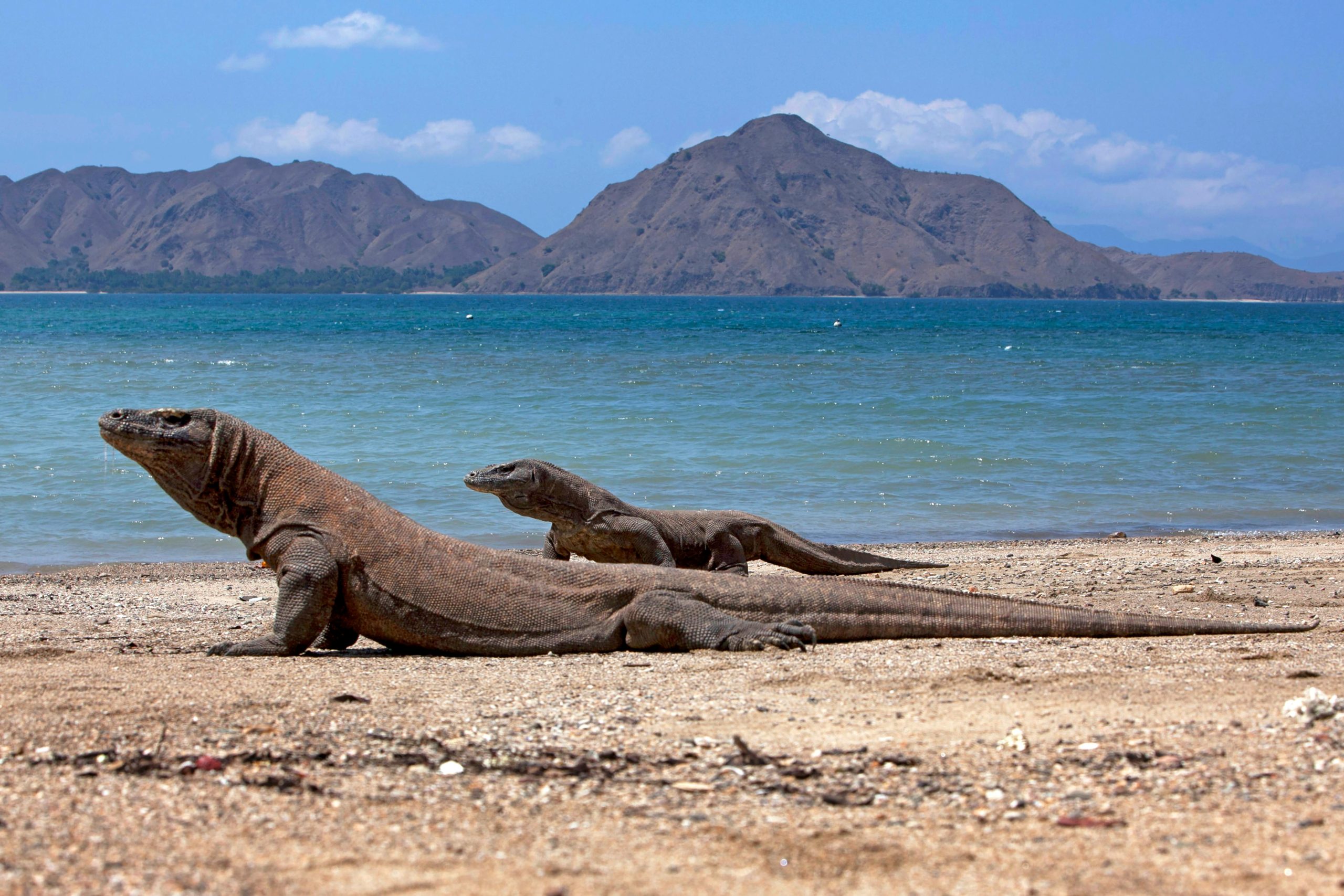
The Komodo dragon (Varanus komodoensis) is the largest living lizard species in the world, found only on a few islands in Indonesia, including Komodo, Rinca, Flores, and Gili Motang. This incredible creature has been around since the time of the dinosaurs, making it a living fossil.
Physical Characteristics
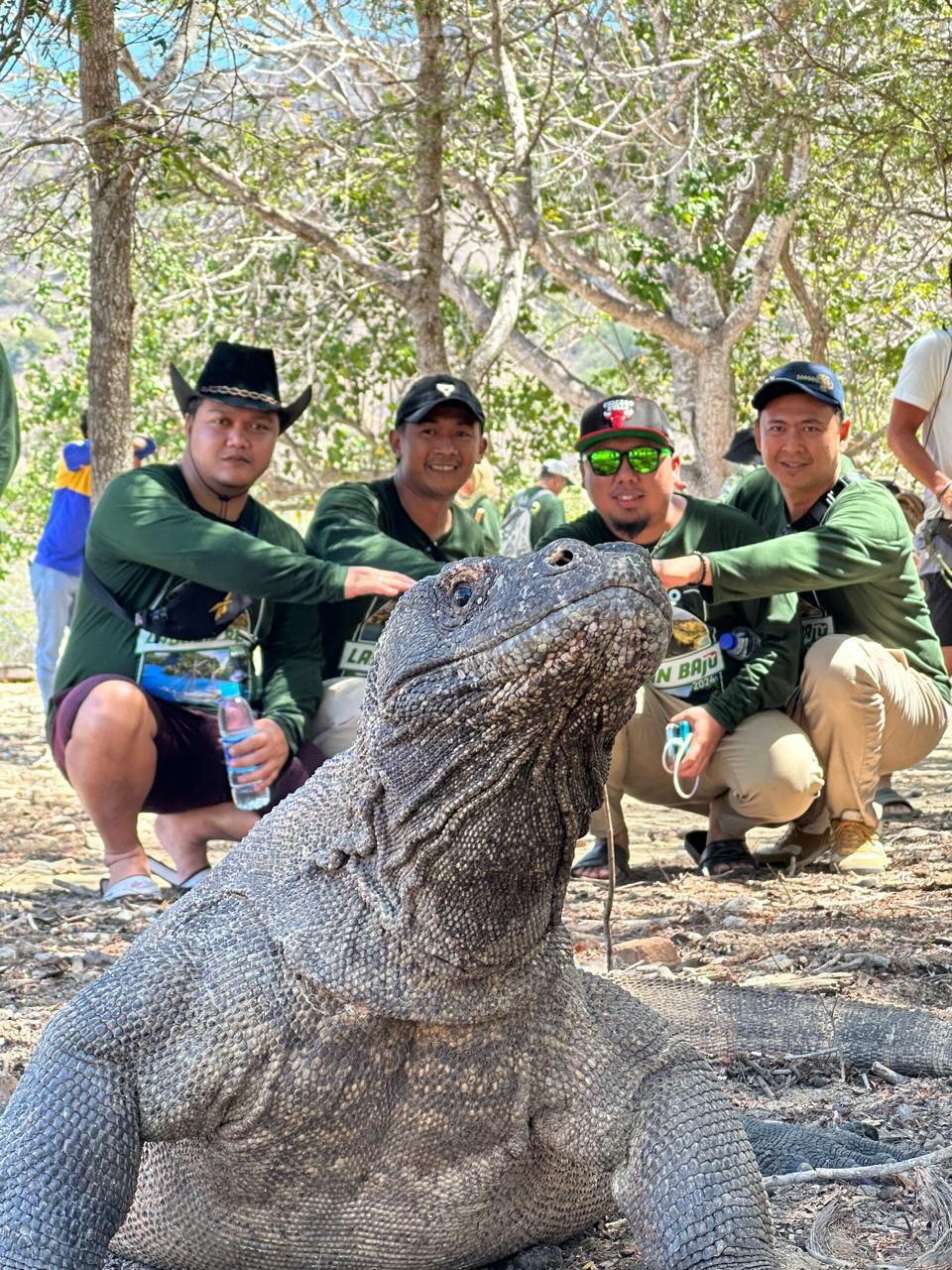
Komodo dragons can grow up to 3 meters (10 feet) in length and weigh up to 70 kilograms (154 pounds). They have rugged, gray-brown skin, a muscular tail, and powerful jaws filled with sharp teeth. Their saliva contains a deadly bacteria that can kill their prey, making them one of the most venomous animals in the world.
Habitat and Diet
Komodo dragons live in the dry, tropical forests and savannas of the islands, where they feed on a variety of prey, including deer, pigs, and water buffalo. They are skilled hunters, using their keen sense of smell and powerful jaws to catch their victims.
Conservation Status

Komodo dragons are listed as Endangered on the IUCN Red List, due to habitat loss, poaching, and human conflict. Conservation efforts are underway to protect these incredible creatures and their habitats.
Interesting Facts
Komodo dragons can run up to 24 km/h (15 mph) in short bursts
They have excellent eyesight, but are deaf
Female Komodo dragons can reproduce without males, a process called parthenogenesis
The Komodo dragon is an iconic species that continues to fascinate and inspire people around the world. Efforts to protect and conserve this species are crucial to ensuring their survival for generations to come.